7 Things to Check Before Buying a Marbo 25k Vape
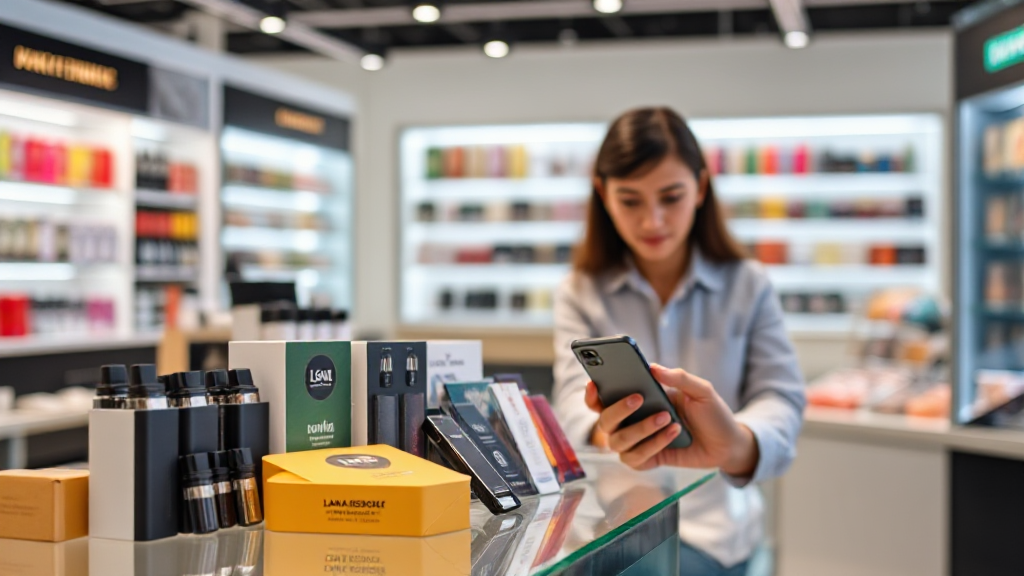
If you are about to order a high-puff disposable, get your checklist ready first. I have bought enough disposables in Singapore to know that the difference between a smooth experience and a frustrating one usually comes down to a handful of checks you do before you pay. The marbo 25k is one of those devices people ask me about constantly, so here is exactly what I tell a friend to verify before they commit. Nothing here is complicated, but skipping these steps is how people end up with a counterfeit, a leaky unit, or a delivery that never shows up.
1. Confirm the Puff Count and Battery Claims Are Realistic
The headline number on any high-capacity disposable is the puff count, and 25,000 is a big claim. Before you buy, think about what that number actually means in daily use. A heavy user might go through a device like this in a couple of weeks, while a light user could stretch it much further. The point is not to obsess over the exact figure but to make sure the seller is not inflating it to look better than the competition.
Check whether the listing explains the battery capacity and whether it is rechargeable. A device advertising tens of thousands of puffs almost always needs a rechargeable battery, because a sealed disposable cannot physically hold enough charge for that many draws. If a listing claims a huge puff count but says nothing about charging, treat that as a warning sign. When I looked at the marbo vape 25k options, the rechargeable design and the stated capacity lined up in a way that made sense, which is the first green flag I look for.
It also helps to compare it against other high-puff devices you already know. If you have used something like a snowwolf 16k, you already have a rough sense of how long a large disposable lasts. Use that as your benchmark rather than trusting a number on a page.
2. Verify Authenticity and Where the Product Ships From
Counterfeit disposables are the single biggest risk in this category, and they are not always obvious. The packaging can look almost identical, the flavour names match, and the price seems reasonable. What gives them away is usually the small stuff: blurry print, a missing batch code, a scratch panel that does not verify, or a seller who cannot tell you where the stock came from.
Before buying, ask yourself three questions. Does the seller publish clear product information, or is everything vague? Do they respond to questions about authenticity without getting defensive? And do they ship locally, or is the product coming from somewhere with no tracking and no recourse? In Singapore, local delivery matters a lot because it shortens the time between payment and receipt, and it means there is a real business behind the order if something goes wrong.
This is also where you should think about the seller’s overall catalogue. A store that carries a range of recognised products, from a lana pen plus 9k to a lana pix 20k, is generally easier to trust than a one-product page with no history. Consistency across a catalogue is a quiet signal that the seller knows the market and is not just flipping whatever they can get.
3. Check Payment, Delivery, and Packaging Before You Pay
Payment and delivery terms are where a lot of buyers get caught out, so read them properly instead of skimming. Cash on delivery is popular for a reason: you only hand over money when the package is in your hands. If a seller offers COD alongside normal payment options, that is a point in their favour because it shifts some of the risk away from you.
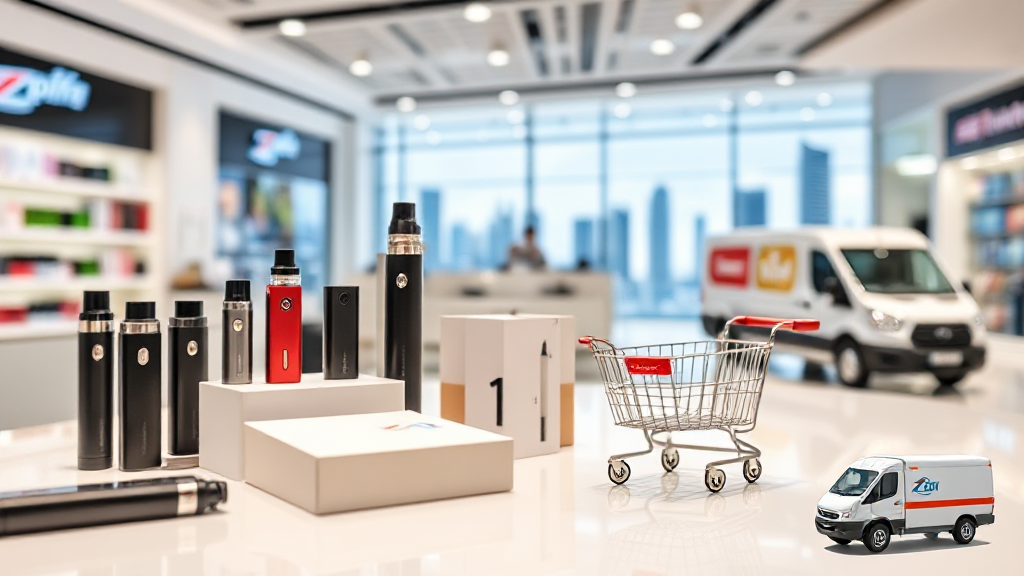
Discreet packaging is the other thing to confirm. Nobody wants a parcel that announces its contents to whoever is at the door or handling the mail. A seller who explicitly states that packaging is plain and unmarked understands their customers. Fast local delivery is the third piece. Ask how long dispatch usually takes, whether you get tracking, and what happens if the parcel is delayed.
I also check whether the seller stocks related items that tell me they are plugged into the local market. Seeing familiar names like terea singapore listings or a lana ultra 2 in the same catalogue suggests a business that keeps up with what customers actually ask for, rather than a page that was set up last week and abandoned.
One more practical tip: decide your budget before you browse. High-puff disposables sit at a higher price point than smaller ones, and it is easy to talk yourself into spending more than you planned once you start comparing flavours. Set a number, then look for the best legitimate option within it.
4. Know What to Do If Something Goes Wrong
Even with all the checks done, things occasionally go sideways. A device arrives dead, a flavour is not what you expected, or the parcel shows up later than promised. What matters is whether you have a clear path to a fix. Before ordering, find out how the seller handles problems: is there a contact method that actually gets answered, and is there a stated policy for faulty items?
Keep your order confirmation and any tracking details until you have tested the device. If you are buying a lana pix or any other disposable, do a quick check when it arrives: inspect the packaging for tampering, confirm the device charges, and take a test draw before you rely on it. Catching an issue in the first day or two makes it far easier to resolve than discovering it a week later.
Finally, be honest with yourself about what you actually need. A 25,000-puff device is a commitment, and if you are still experimenting with flavours, a smaller unit might suit you better while you figure out what you like. There is no prize for buying the biggest number on the shelf.
So here is your action list. Before you order, confirm the puff count and battery claims make sense, verify the seller’s authenticity signals and local shipping, read the payment and packaging terms, and know how you would raise a problem if one came up. Do those four things and you will avoid almost every bad outcome I have seen. If you want to start with a seller who ticks these boxes, take a look at the range and check the details against this list before you check out. That small bit of homework is the difference between a purchase you forget about and one you regret.